
US 1% Remittance Tax 2026: What It Means When You Send Money to Nepal or India

The new US remittance tax in 2026 adds a 1% charge to some money transfers sent abroad. For Nepali and Indian workers and students in the US who send money home, the key question is simple: does it apply to you? For many people the answer is no, as long as they pay from a bank account or US card.
Table of Contents
Last checked: 29 September 2026. Sources include the IRS, the Consumer Financial Protection Bureau and RSM. The IRS rules are still proposed, not final. This is general information, not tax advice.
What the remittance tax 2026 rule is
The One Big Beautiful Bill Act created a 1% excise tax on certain remittance transfers under section 4475 of the Internal Revenue Code. It applies to transfers made after 31 December 2025, so from 1 January 2026. It is based on the sender being in the US, not on citizenship.
Which transfers the remittance tax 2026 rule covers
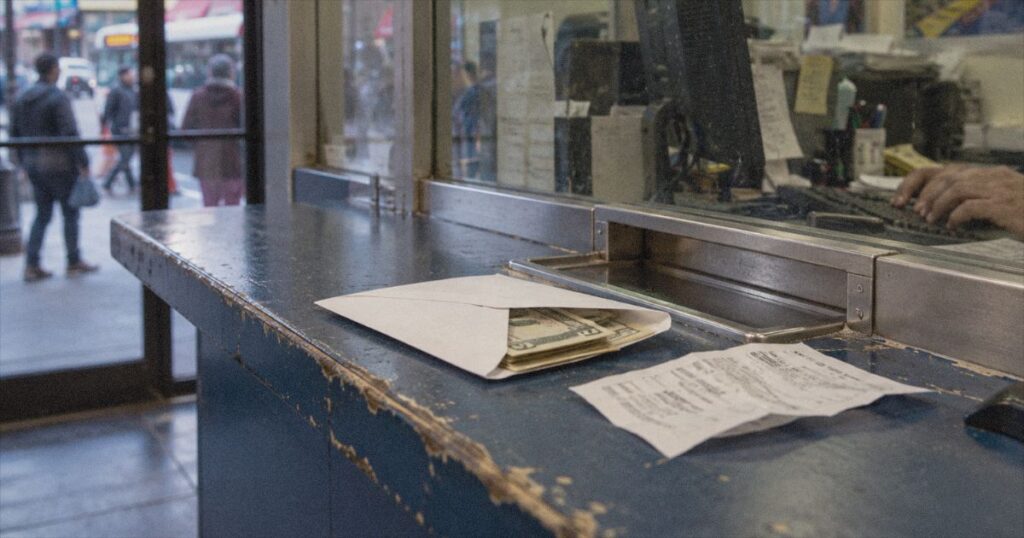
The tax applies when the sender pays the money transfer provider with:
- Cash
- A money order
- A cashier’s check
- Another similar physical instrument
The sender owes the tax. Providers must collect it and pay it to the IRS each quarter on Form 720.
Transfers that are exempt
Under the law, two types of transfer are exempt:
- Money sent from an account at a US financial institution, such as your checking account.
- Transfers paid with a debit or credit card issued in the US.
So if you already send money from your bank account or card, the remittance tax 2026 rule should not apply to you. If you usually pay cash at a counter, switching to a bank-funded transfer is a legal way to avoid it.
What is still unclear
The Treasury and IRS published proposed regulations on 10 April 2026. They are not final, and edge cases, such as prepaid cards, may change. The IRS gave providers penalty relief for the first three quarters of 2026. Do not rely on social media claims about loopholes.
How to compare the real cost of sending money
The remittance tax 2026 charge of 1% is usually smaller than the other costs of sending money. The global average cost of sending remittances was 6.36% of the amount sent (World Bank, third quarter of 2025). To compare providers:
- Look at the amount your family will receive, not just the fee.
- Compare the provider’s exchange rate with the official reference rate: Nepal Rastra Bank for NPR, or the Reserve Bank of India for INR.
- Add any upfront fee, tax and receiving bank charges.
- Check the provider is licensed in the US and allowed to pay out in Nepal or India.
Your rights as a sender in the US
For transfers over $15, US providers must tell you the fees, taxes, exchange rate and the exact amount the recipient will get before you pay. You can cancel within 30 minutes for free, unless the money has already been picked up or deposited. You can report errors within 180 days.
Why this matters for Nepal and India
- Nepal received a record Rs 2,363.13 billion (about US$16.19 billion) in remittances in fiscal year 2025/26, up 37.1% in rupee terms. See send money to Nepal 2026.
- India’s net private transfers, mostly remittances, reached a record US$144.8 billion in FY2025-26, according to figures given to Parliament in July 2026.
Frequently asked questions
Do I pay the 1% tax if I send money from my US bank account? Under the law, transfers funded from an account at a US financial institution are exempt. The tax targets cash, money orders, cashier’s checks and similar physical instruments.
When did the remittance tax start? For transfers made after 31 December 2025, so from 1 January 2026.
How do I compare the real cost of sending money? Compare the amount your recipient will actually get. US providers must show it before you pay, along with fees, taxes and the exchange rate. Check that rate against the official reference rate for the day.
Your next step
Responses