
Maintain F-1 Status: 7 Rules International Students Must Never Break

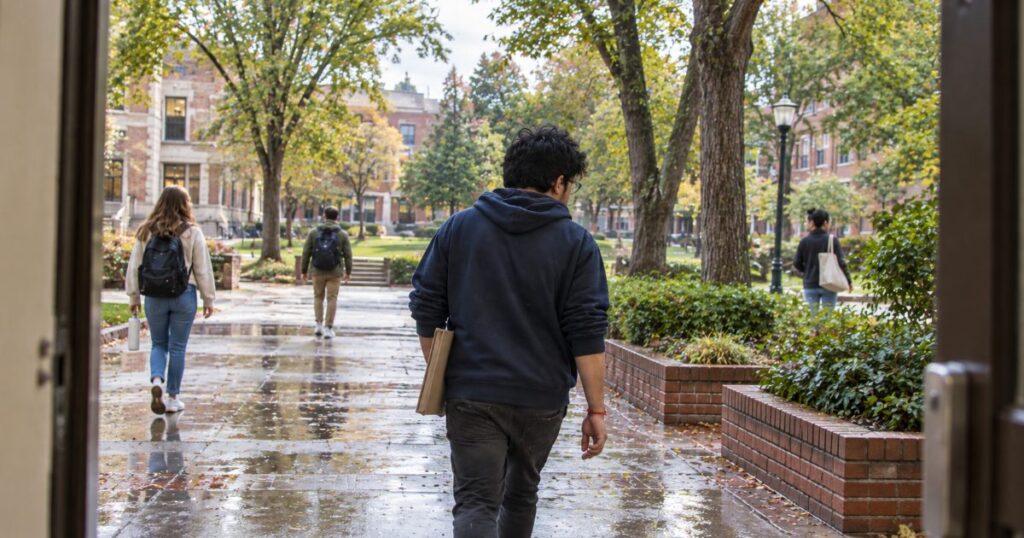
To maintain F-1 status, you must follow a few strict rules for your entire time in the United States. Here are the seven that matter most.
Table of Contents
Getting your F-1 visa is only the beginning. Once you are in the United States, you must maintain your status for the entire time you study. Losing status can affect OPT, future visas and even your ability to return to the USA.
1. Maintain a full course load
You must enroll full-time every academic term, except during official vacation periods. For most undergraduate programs this is at least 12 credit hours; graduate requirements vary by school. There are strict limits on how many online classes count toward full-time enrollment. Never drop below full-time without prior approval from your DSO.
2. Keep your I-20 valid and accurate
Make sure your I-20 program end date has not passed. If you need more time to finish, request an extension from your DSO before the end date. Changing majors or degree levels also requires an updated I-20.
3. Report address changes
Inform your school of any change in your U.S. address within 10 days so your SEVIS record stays accurate.
4. Work only with authorization
On-campus work is limited, and any off-campus work requires CPT, OPT or other authorization. Unauthorized employment is one of the most serious violations.
5. Keep your passport valid
Renew your Nepali passport early if it is close to expiring.
6. Travel with the right signature
Before traveling outside the USA, get a travel signature on your I-20 from your DSO, and carry your enrollment proof and financial documents.
7. Know your grace period
After you complete your program or OPT, you generally have a limited grace period to leave the country, transfer to another school, or change status. Plan ahead rather than waiting until the last week.
When in doubt, ask first
Your DSO is your best friend in the U.S. immigration system. Ask before you drop a class, take a job, travel, or take a break from school.
Warning signs your F-1 status may be at risk
- Your enrolment drops below full-time without DSO approval.
- Your I-20 end date is close and you have not asked for an extension.
- You started work before an authorization start date.
- You moved and did not report the new address within 10 days.
- Your school sent an email about your SEVIS record that you have not answered.
If any of these apply, contact your DSO the same week. Problems are easier to fix when they are raised early.
Keep a simple F-1 status file
Save digital copies of every I-20, your visa, your I-94 record, EAD cards, CPT approvals and enrolment verifications in one folder. You will need them for OPT, future visa interviews and any later change of status. Having them ready protects your F-1 status when questions come up.
Frequently Asked Questions About Maintain F-1 status
What happens if I fall out of F-1 status?
You may lose eligibility for benefits such as OPT, and you may need to apply for reinstatement or leave the country. Contact your DSO immediately.
How many online classes can F-1 students take?
Generally, only one online class (or three credits) per term counts toward the full-time requirement. Confirm with your DSO.
How long can I stay in the USA after my F-1 program ends?
There is a limited grace period after completing your program or OPT. Check the current rule with your DSO.
Related Guides
- CPT vs OPT: Key Differences Every F-1 Student Must Know
- On-Campus Jobs for F-1 Students: 20-Hour Rule and What You Cannot Do
- F-1 Visa Interview Documents: 15-Item Checklist for Nepali Students
Official Resources
Rules and fees change often. Always confirm the latest requirements with official sources and with the Designated School Official (DSO) at your university.
Which F-1 rule do you think new students misunderstand the most?

[…] Maintain F-1 Status: 7 Rules International Students Must Never Break […]
[…] Maintain F-1 Status: 7 Rules International Students Must Never Break […]