
Minimum Wage in Canada 2026 by Province, Including the October 1 Increases

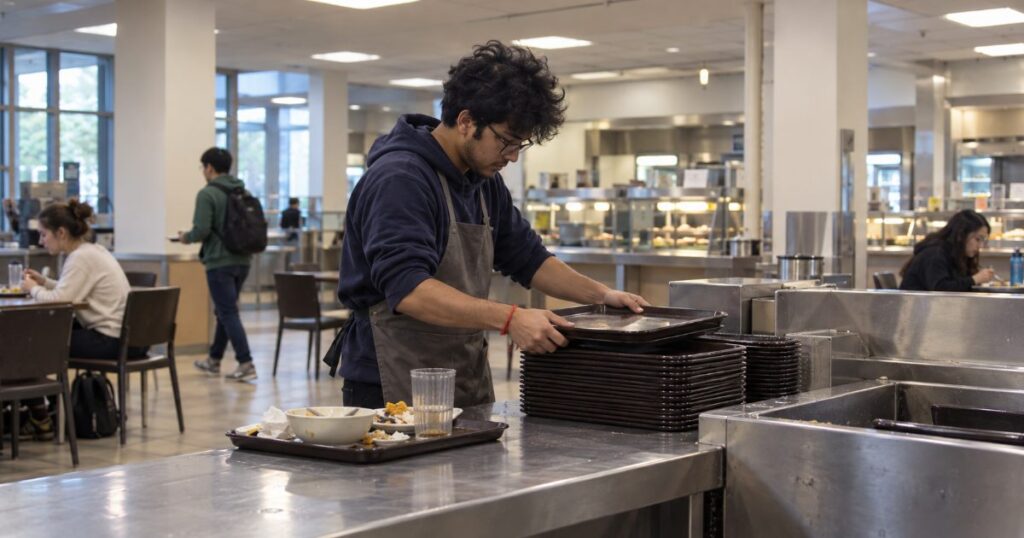
The minimum wage in Canada in 2026 depends on where you work. Five provinces raise their rates on 1 October 2026, including Ontario, where many Indian and Nepali students live. Here is the full table and what it means for a student working part time.
Table of Contents
Last checked: 29 September 2026. Ontario, BC, Alberta and federal rates come from government pages. Some other provinces’ rates come from payroll and law firm summaries, so check the provincial government page before relying on them. This is general information.
Minimum wage in Canada by province and territory, 2026
| Jurisdiction | Rate | Effective |
|---|---|---|
| Nunavut | $20.17 | 1 September 2026 |
| Yukon | $18.51 | 1 April 2026 |
| British Columbia | $18.25 | 1 June 2026 |
| Federal (federally regulated jobs) | $18.15 | 1 April 2026 |
| Ontario | $17.95 | 1 October 2026 |
| Prince Edward Island | $17.30 | 1 October 2026 |
| Northwest Territories | $17.20 | 1 September 2026 |
| Nova Scotia | $17.00 | 1 October 2026 |
| Quebec | $16.60 | 1 May 2026 |
| Manitoba | $16.40 | 1 October 2026 |
| Newfoundland and Labrador | $16.35 | 1 April 2026 |
| New Brunswick | $15.90 | 1 April 2026 |
| Saskatchewan | $15.70 | 1 October 2026 |
| Alberta | $15.00 | Unchanged since 2018 |
What changes on 1 October 2026
Five provinces raise the minimum wage in Canada on the same day:
- Ontario: $17.60 to $17.95. The student rate (under 18, working 28 hours a week or less during school) rises from $16.60 to $16.90.
- Manitoba: $16.00 to $16.40.
- Saskatchewan: $15.35 to $15.70.
- Nova Scotia: $16.75 to $17.00.
- Prince Edward Island: $17.00 to $17.30, then $17.60 on 1 April 2027.
Highest and lowest
Among provinces, British Columbia is highest at $18.25. Across all jurisdictions, Nunavut is highest at $20.17. Alberta is lowest at $15.00, unchanged since 1 October 2018. Alberta also has a $13 student rate for under-18s for the first 28 hours a week during the school year.
The federal minimum wage
The federal minimum wage of $18.15 (from 1 April 2026) applies to federally regulated sectors such as banks, airlines and telecom companies. If the provincial rate is higher, employers must pay the higher rate.
What an international student really earns
International students can usually work 24 hours a week off campus during academic sessions. At that limit:
| Province | Weekly gross at 24 hours |
|---|---|
| British Columbia ($18.25) | $438.00 |
| Ontario ($17.95) | $430.80 |
| Alberta ($15.00) | $360.00 |
These are our calculations, before tax and deductions. Finding 24 hours of work is not guaranteed. See international student jobs in Canada 2026.
Tips for workers earning the minimum wage in Canada
- Check your pay stub every time. Your hourly rate should change on the date the new rate takes effect.
- Keep a record of your hours and breaks.
- Ask about shift premiums, tips and overtime rules, which vary by province.
- If you are underpaid, contact your provincial employment standards office. The rules apply to international students too.
Is the minimum wage in Canada enough to live on?
The average hourly wage in Canada was $37.02 in August 2026, up 2.0% in a year (Statistics Canada). Earning the minimum wage in Canada alone rarely covers rent in big cities, so plan your finances before you arrive. See how much bank balance you need.

Responses